
Quick answer
There is no entrance fee for the Ha Giang Loop — 0 VND, because it is a public road network in Ha Giang Province, Vietnam, open 00:00–23:59 every day of the week. Pack for that openness rather than for a gate: the practical constraint is the 08:00–16:00 arrival window, when mountain passes offer the best visibility and safest riding conditions.
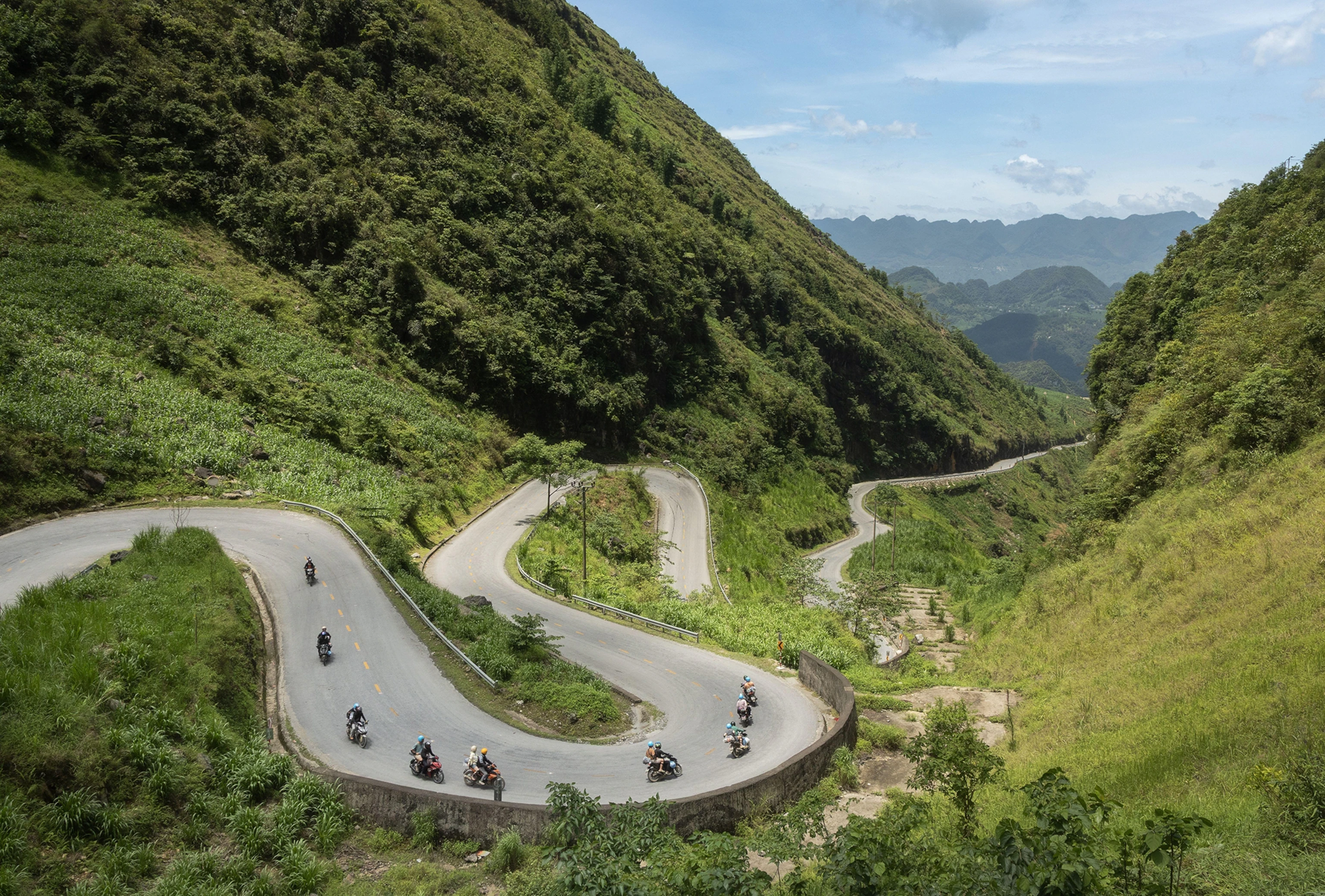
The Ha Giang Loop has no ticket office, no turnstile and no closing time. It is a public road network threading through Ha Giang Province, Vietnam, and it costs 0 VND to ride. That single fact reorganises how travellers should think about preparation: nothing here is gated, so nothing can be booked around. What limits the trip is not admission but capacity, weather and light. A sensible ha giang loop packing list starts from the vehicle, not the wardrobe. A 110cc semi-automatic or a Honda XR150 carries a rider, a driver in the case of an easy rider arrangement, and one soft bag strapped behind the seat. Hard-shell suitcases do not work on the Mã Pí Lèng pass. Nor does volume: the switchbacks above the Nho Quế River reward a low, balanced load. Riders climbing toward Đồng Văn and Lũng Cú gain over a kilometre of altitude in a morning, and the temperature drop is real even in August, when the karst plateau still sits under monsoon cloud. The Quản Bạ and Tham Mã passes come early and set the tone. Timing shapes the load as much as the route does. Because the road never closes, the temptation is to ride late — but the recommended arrival window of 08:00–16:00 exists for visibility and safer riding conditions, and packing decisions should assume you are off the bike before dusk. Lighting, layers and anything you need at speed belong on top; everything else can be buried. The useful move is to split the trip in two. What travels on the bike for three days is a different set from what waits in Ha Giang city. Most guesthouses along the Đồng Văn Karst Plateau UNESCO Global Geopark route hold left luggage without charge, and a packing checklist for the Ha Giang Loop works best when it names a small, fixed carry set rather than an aspirational one. Read this ha giang loop packing list alongside the checklist, seasonal timing and on-road conduct sections below, then book the ride itself through the tour pages — the gear question is easier to settle once the itinerary is fixed.
“There is no gate on the Ha Giang Loop — the only thing that limits you is what the bike will carry.”
The Essential Ha Giang Loop Packing List for Every Rider
Ha Giang's mountain roads demand paperwork and gear sorted well before you reach the first pass, so work through this list in order.
-
Carry your passport and visa — Border-zone checkpoints near Lung Cu and Dong Van require original documents, not copies.
-
Obtain an International Driving Permit — Vietnamese police and insurers expect an IDP with motorcycle category alongside your home licence.
-
Confirm travel insurance covers motorcycling — Standard policies often exclude riding without a valid licence endorsement.
-
Pack a fitted helmet and gloves — Rental helmets are frequently loose or worn; full-finger gloves prevent blistering over long riding days.
-
Bring a waterproof outer layer — Mountain rain arrives without warning at higher elevations, even on clear mornings.
-
Layer thermal and mid-weight clothing — Passes above 1,500m run far colder than Ha Giang city, so layers let you adjust as you climb and descend.
-
Pack sturdy ankle-covering footwear — Gravel sections and roadside stops call for grip and protection that sandals cannot give.
-
Plan to ride between 08:00 and 16:00 — Daylight gives the best visibility on mountain passes and safer riding conditions.
Ha Giang Loop Packing List Adjustments by Season
The most favorable window for the Ha Giang Loop occurs during the transition months of March to May and September to November. These periods provide stable weather conditions and clear visibility for navigation.
March–May
ModerateDry and mild, 15°C to 25°C
Ideal for riding with comfortable temperatures and blooming landscapes.
June–August
HighHot and humid, 20°C to 30°C
Expect frequent monsoon rains and limited visibility on high passes.
September–November
ModerateCool and dry, 12°C to 22°C
Harvest season brings golden terraced fields and reliable road conditions.
December–February
LowCold and foggy, 5°C to 15°C
High altitudes experience heavy fog and occasional frost, requiring thermal gear.
Verdict: The best window for the Ha Giang Loop is mid-week during October or April to ensure favorable weather and manageable traffic.
Ha Giang Loop Packing List: Safety and Etiquette Considerations
The Ha Giang Loop runs through working villages and mountain passes where riders share narrow roads with schoolchildren, livestock and freight trucks. Protective gear and modest dress are matters of law and local respect, not preference.
Do
- Wear a certified helmet with chin strap fastened at all times
- Carry a valid Vietnamese licence or IDP with A1 motorcycle category
- Choose covered shoulders and knees when entering villages, homes and markets
- Wear closed shoes, gloves and long sleeves against gravel and sun
- Ride within the 08:00–16:00 window for best pass visibility
- Ask before photographing Hmong, Tay or Dao residents and children
Don't
- Never ride in flip-flops, shorts or a novelty half-shell helmet
- Do not drink alcohol at homestay dinners before evening or morning riding
- Avoid sounding your horn repeatedly near homes, schools and grazing animals
- Do not hand out sweets, money or pens to village children
- Never remove your helmet for photos on mountain passes
- Do not enter homes or ethnic minority ceremonies without an invitation
Ha Giang Loop Packing List: Professional Tips for Gear Management
Managing your gear effectively ensures better bike balance and protects your belongings from the unpredictable mountain climate.
Luggage storage solutions
Leave your main suitcase at your Ha Giang accommodation; most hostels and hotels provide complimentary luggage storage for guests returning from the loop.
Prioritize small backpacks
Use a daypack rather than a bulky rucksack to keep the motorcycle center of gravity low and improve your stability on winding turns.
Monsoon protection
Even outside the rainy season, sudden downpours occur; place all electronics and clothing inside dry bags before putting them in your pack.
Access essentials quickly
Store your camera, phone, and documentation in a waist pouch or accessible pocket to avoid unpacking your entire bag at viewpoints.
Weight distribution
If traveling with a partner, distribute heavier items evenly across the bike or carry separate light packs to prevent one side from pulling during steep ascents.
Check availability
Frequently asked questions about ha giang loop packing list
Everything you need to know about ha giang loop packing list